
Ethereum
Polygon ($MATIC): can it solve Ethereum’s scaling challenges?
Ethereum remains the backbone of decentralized finance, but even after its shift to proof-of-stake, scalability issues persist.
Nathan
Category
Articles tagged Consensus.
Ethereum remains the backbone of decentralized finance, but even after its shift to proof-of-stake, scalability issues persist.
The Quai Network social-rewards and testnet airdrop is over. This historical guide explains the old campaign, its closed 2025 claim window, and the live network’s current QUAI and QI token model.

Aptos and Sui both use Move, but differ in consensus, transaction execution, tokenomics and developer design. Compare the trade-offs between these Layer 1s.

What is Vechain? VeChain ($VET) is a next-generation smart contract blockchain platform focused on solving enterprise and supply chain…

A beginner-friendly explanation of Aptos, its origins in Meta’s Diem project, the Move language, Layer 1 design and APT token.

Algorand is a high-performance next-generation blockchain whose goal is to create a transparent system in which everyone can achieve…
Covalent is a multichain protocol that provides easy and quick access to deep, granular, and historical blockchain data.
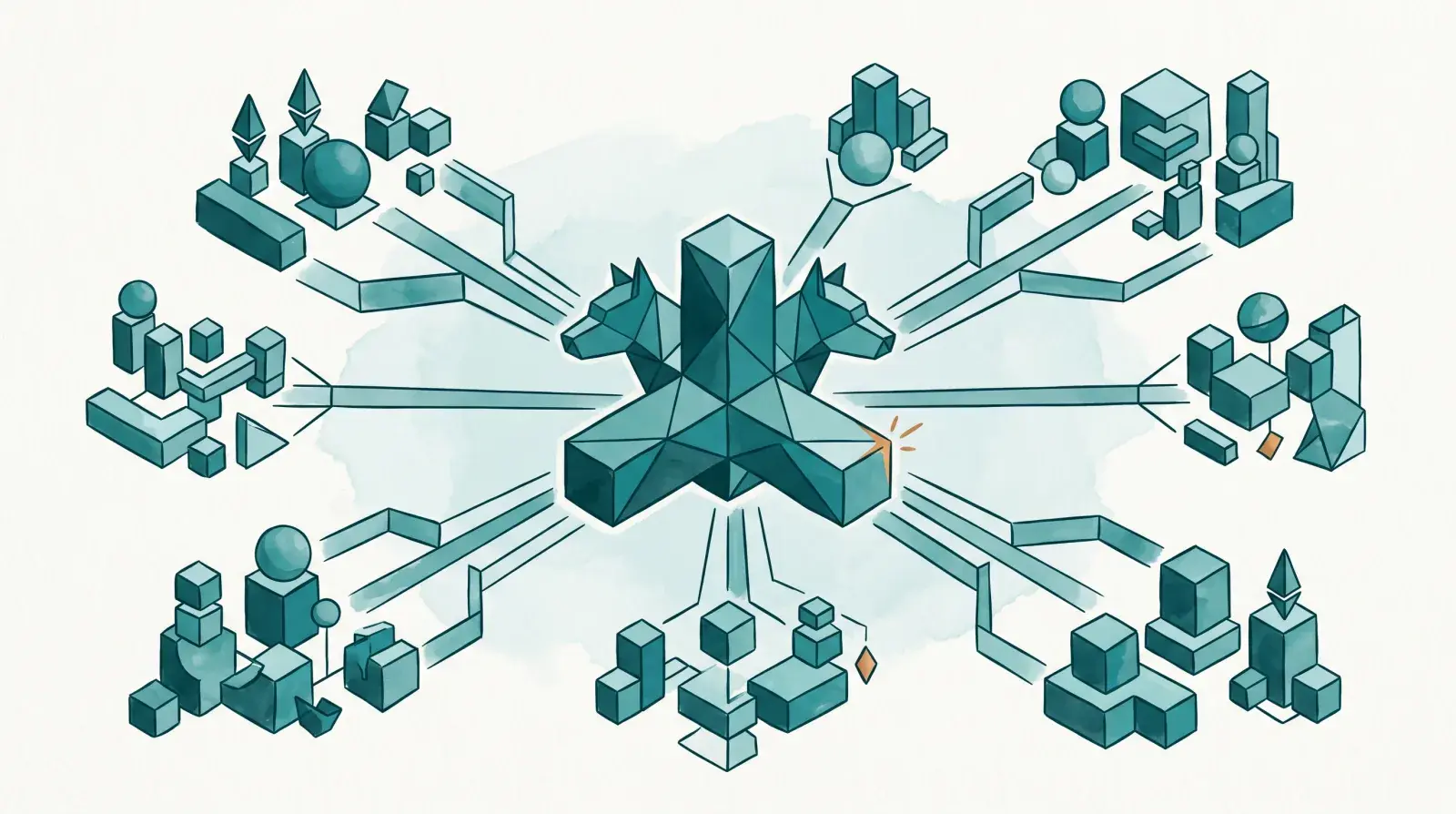
Radix now runs the Babylon smart-contract network with Scrypto, Radix Engine and native XRD staking. This update separates live features from the original token-sale and future-sharding claims.
In light of the FTX collapse , cryptocurrency exchanges are implementing proof-of-reserves (PoR) as a form of on-chain accounting that…
Layer-1 refers to the base level of the blockchain’s underlying infrastructure.
A historical look at how Ethereum’s 2022 Merge was expected to affect competing Layer 1 networks, including Solana, Cardano and Avalanche.
Blockchain technology is often considered the best solution to problems caused by centralization.
Boxmining uses Google Analytics cookies to understand which guides are useful, with no ads or personalisation. Privacy policy