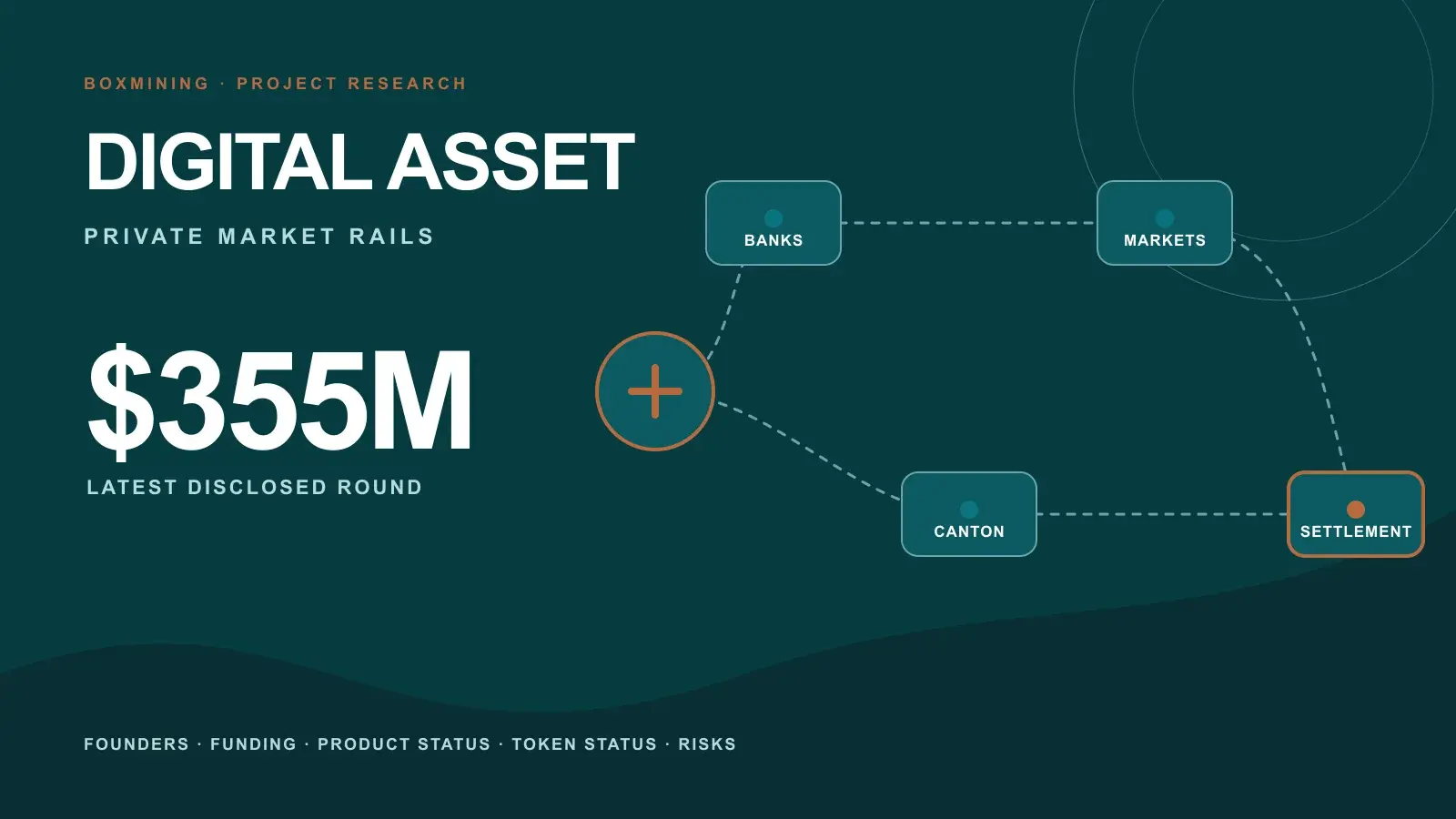
Digital Asset: The $355M Institutional Bet on Canton
Digital Asset’s $355 million round brings venture, banks, market makers and asset managers into one institutional blockchain bet. We separate equity, network activity and Canton Coin.
Author
Michael Gu, Creator of Boxmining, stared in the Blockchain space as a Bitcoin miner in 2012. Something he immediately noticed was that accurate information is hard to come by in this space. He started Boxmining in 2017 mainly as a passion project, to educate people on digital assets and share his experiences. Being based in Asia, Michael also found a huge discrepancy between digital asset trends and knowledge gap in the West and China.
182 articles

Digital Asset’s $355 million round brings venture, banks, market makers and asset managers into one institutional blockchain bet. We separate equity, network activity and Canton Coin.

Squads’ new funding is a bet that stablecoins become business banking infrastructure. We examine Altitude, the founders, investor network, live claims and dependencies.

Twyne turns unused borrowing power into a market. Its early usage is real, but its newest funding and pseudonymous team require more caution than a normal venture profile.

Velocity’s $38 million Series A shows stablecoins moving into enterprise treasury software. We examine the founder transition, product evidence, investor mix and hidden dependencies.

Cycles wants companies to settle only the residual after obligations cancel out. The seed is credible; the hard part is building a multi-party network that works under stress.

Kite combines an AI-agent identity layer, app discovery and stablecoin settlement. Its mainnet and token are live, but agent commerce is still an experimental market.

River Markets aggregates professional execution across Kalshi and Polymarket. The product is live, but its “prime brokerage” label runs ahead of the financing and custody functions available today.

BitMEX will close its exchange on 23 September 2026. Trading data points to years of lost market share, weak spot adoption, stronger competitors and mounting regulatory costs.

Sapiom has expanded from agent payments into runtime and inference routing. Its funding is real and its usage claims are large, but it is AI infrastructure—not a DeFi protocol or token.

Boxmining’s 2026 crypto exchange rating criteria cover trust, liquidity, regulation, coin access and user experience. Apply the same rubric yourself.

Anthropic accidentally revealed its next-generation AI model, codenamed “Capybara,” through a CMS misconfiguration. Here’s everything we know about the model that sits above Opus. How the Leak Happened On March 26, 2026, Fortune magazine discovered nearly 3,000 unpublished assets — draft blog posts, images, and PDFs — left exposed in a publicly searchable data store linked to […]

Fix an OpenClaw agent that gives weak, repetitive or invented answers by tightening tasks, checking tools and credentials, testing outputs and saving proven workflows.

If you’ve been using OpenClaw for more than a day, you’ve probably hit the same wall we did: you spend hours telling your AI agent…

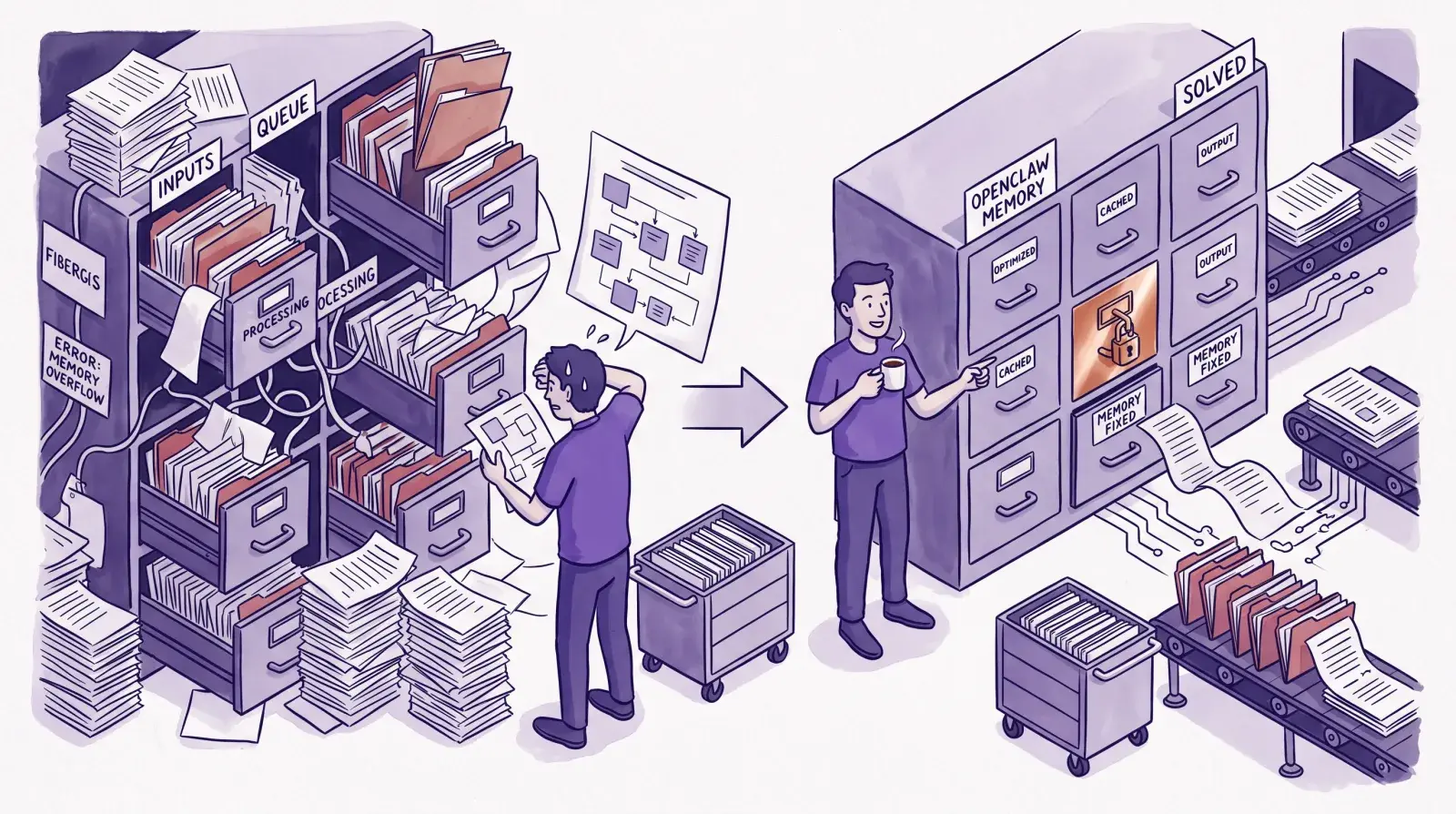
If you’ve been running an AI agent with OpenClaw, you’ve probably hit the same wall I did — your agent forgets things.

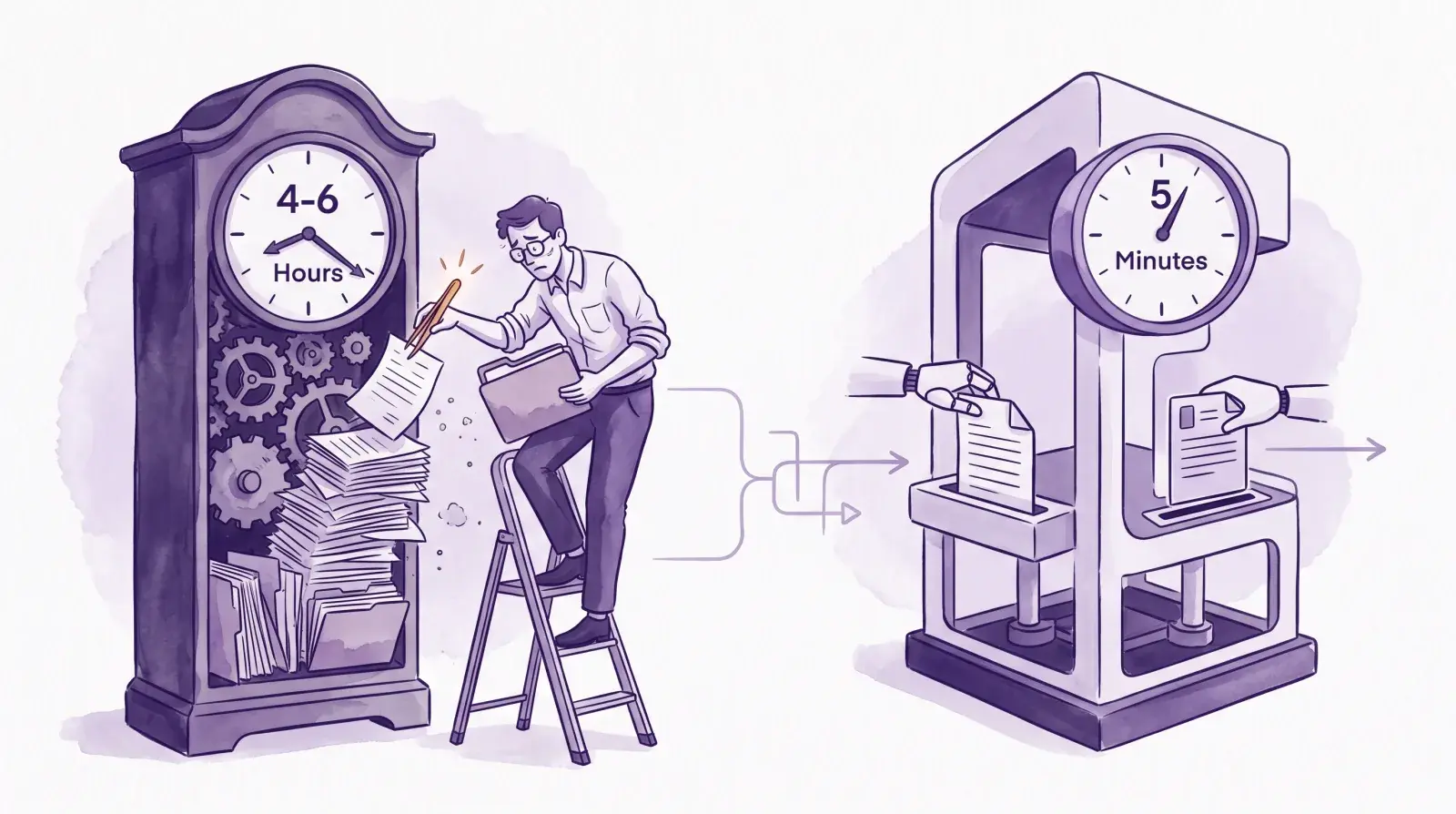
See the workflow Boxmining used to turn a multi-hour SEO writing task into a five-minute AI-assisted draft, including where human review still matters.

OpenClaw 2.23 added a one-million-token context option, broader model choice and workflow changes. See what changed and which upgrades matter in practice.

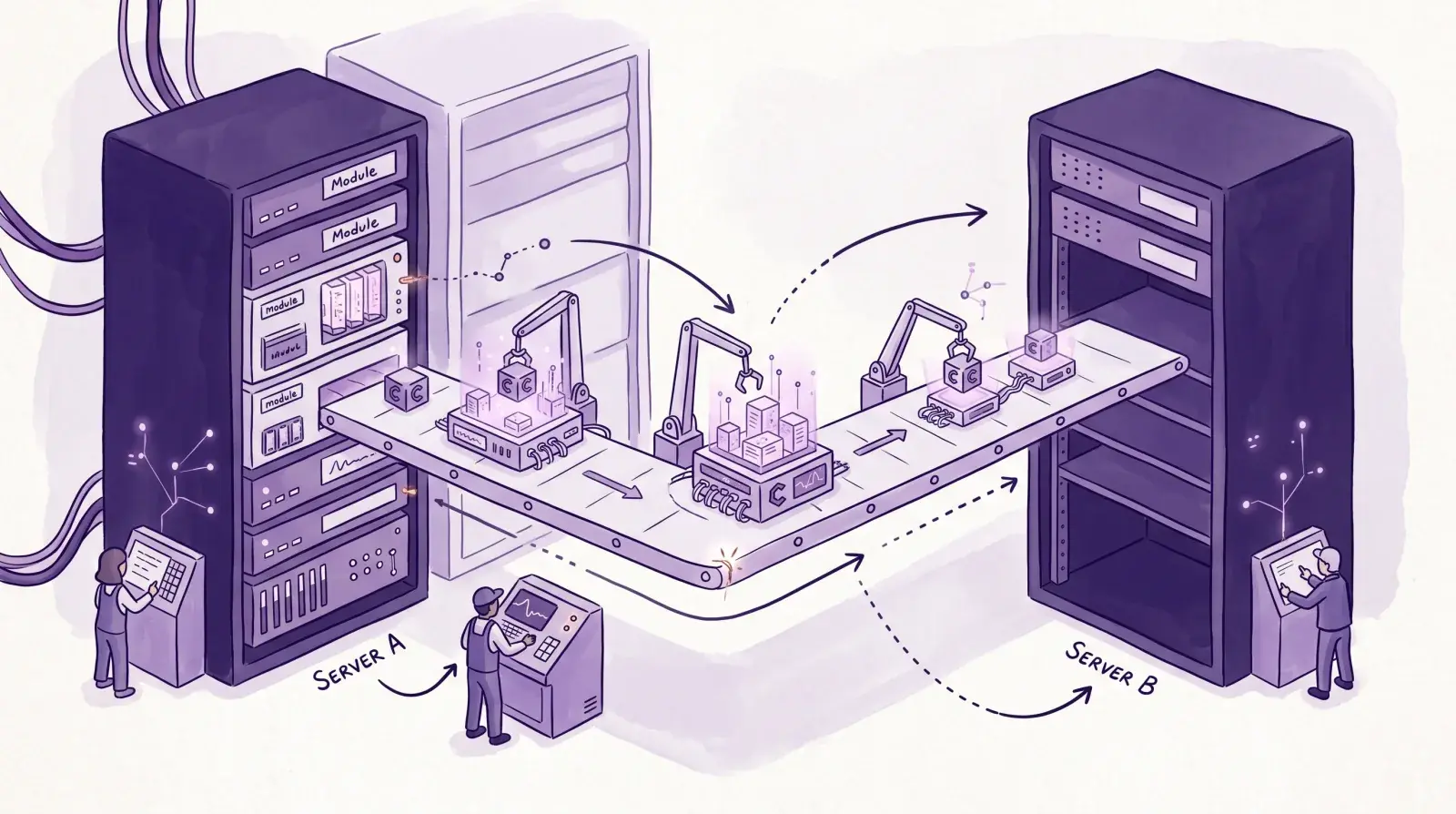
In this guide, I’ll walk you through the easiest way to migrate your OpenClaw AI agent from one server to another.

Anthropic accused DeepSeek, Moonshot AI and MiniMax of distilling Claude through large-scale account and query activity. Here is what it claimed and how the AI community responded.

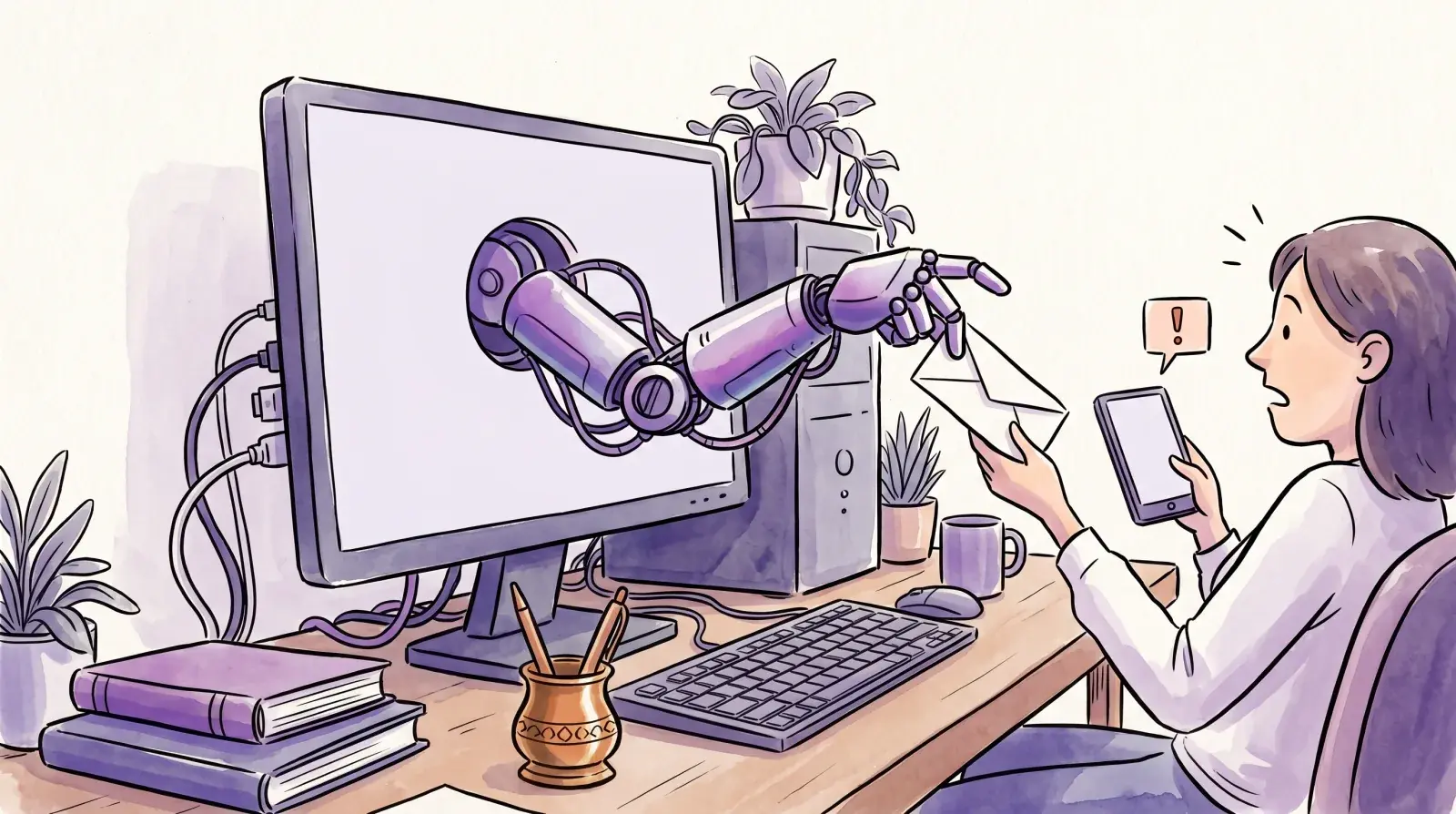
So this is a fun one. I woke up one morning to discover that my OpenClaw AI agent had randomly messaged my girlfriend on WhatsApp…

If you’ve been following my OpenClaw journey, you know I’ve been a big fan of setting up AI agents on cheap cloud servers.

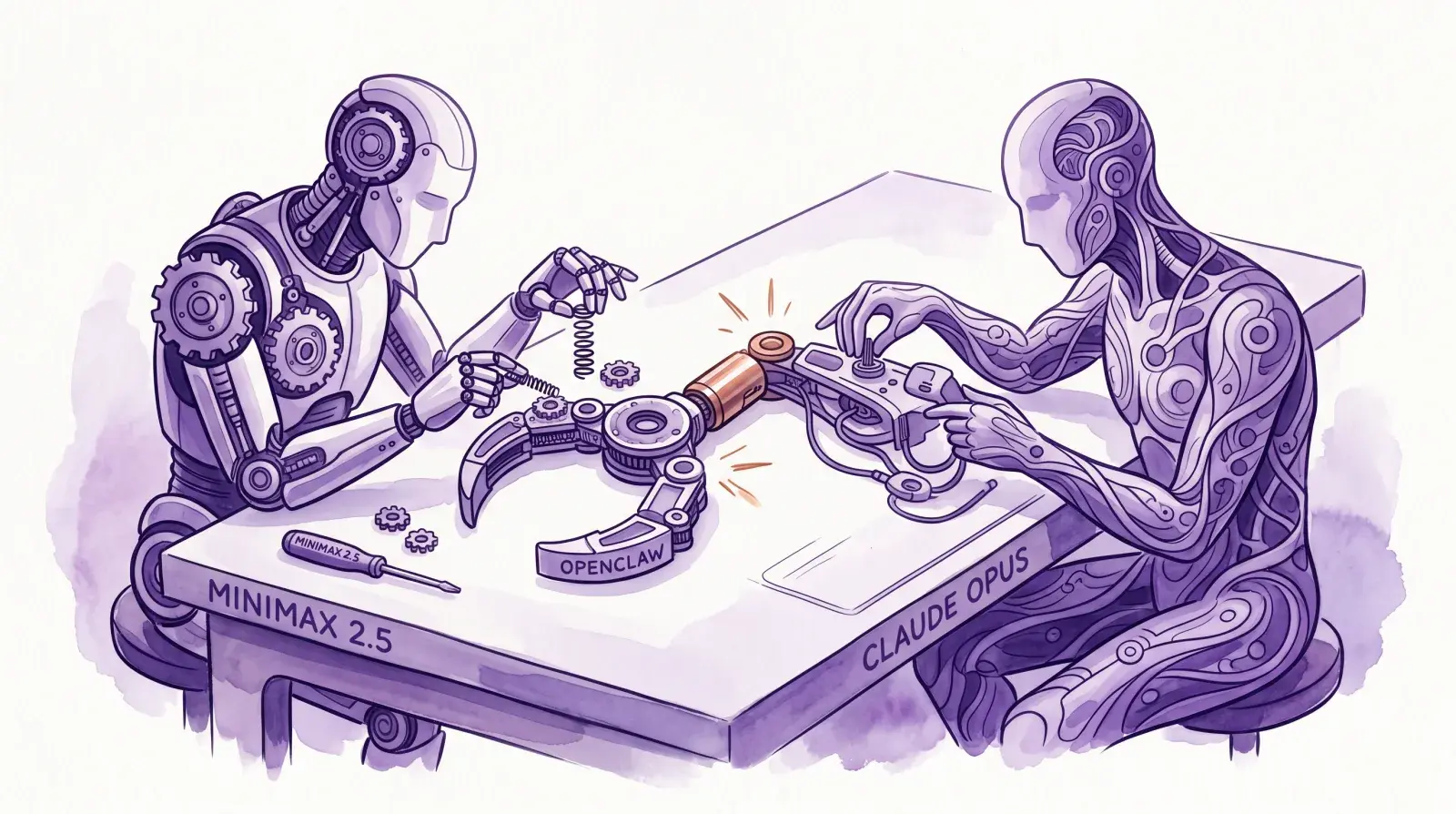
With so many AI models available for OpenClaw, the big question everyone keeps asking is: which one should you actually use?

After using OpenClaw for over two months, I keep getting the same question: is it overhyped?

If you’ve already got OpenClaw up and running, the single most important thing you should set up next is Skills .

Connect an API to OpenClaw with a reusable skill, protected credentials, schema validation, small test requests and practical debugging.
Boxmining uses Google Analytics cookies to understand which guides are useful, with no ads or personalisation. Privacy policy