
Solana’s Alpenglow rollout puts three questions in front of trading apps: has a transaction become final, is the market-data feed working, and how accurately does the ledger represent wall-clock time? A faster answer to the first does not automatically improve the other two.
In its October 20 activation notice, checked October 21, Agave developer Anza said the mainnet-beta handoff was pending for October 21 at approximately 14:00 UTC, or 22:00 Hong Kong time. It identified slot 459,653,000 as the migration boundary. This article assesses the preparations; it does not claim the handoff has completed.
For Asia-based trading teams, that puts the projected switch in the evening. The useful preparation is to check the assumptions behind execution and monitoring, rather than schedule every change for a single advertised minute.
Faster agreement does not make the clock more precise
The Solana Foundation’s Alpenglow guide, checked October 21 and marked updated October 2026, describes a roughly 150-millisecond finality target. It also documents a separate change: Clock.unix_timestamp moves from a stake-weighted median of validator vote timestamps to a timestamp supplied by the block leader within protocol bounds.
The timestamp remains monotonic and coarse. Its permitted movement depends on elapsed slot time, including skipped slots; the guide explicitly gives no fixed drift guarantee. The practical distinction is that agreement about a block and accuracy against an external clock are different properties.
Consider an app comparing an exchange quote’s expiry with an on-chain timestamp. A block becoming irreversible quickly does not, by itself, prove those two clocks agree closely enough for the app’s expiry rule. That is an application assumption to review, not evidence that Alpenglow breaks every deadline-based contract.
Teams should test deadline boundaries and skipped-slot scenarios separately from settlement latency. A benchmark that records only “time until final” cannot validate both.
A quiet trading feed need not mean a stalled chain
Infrastructure provider Triton’s migration advisory, updated October 20 and checked October 21, warns that Harmonic and JitoBAM block-packing and preconfirmation services have interruption windows extending beyond the brief consensus handoff. The windows differ by service and their quoted clock times are estimates.
Triton distinguishes those service interruptions from an expected short gap when user transactions do not land during the handoff. An app consuming preconfirmations therefore needs its own feed-health check, even if ordinary chain reads remain available.
For a trading system, “no new signal” should never silently become “the last signal is still current.” Record when data was last received, make stale inputs visible, and define what the strategy does when its preferred feed stops. Whether that means pausing, reducing exposure or using another source depends on the strategy; a fallback should be tested before it is needed.
Three checks before changing production behaviour
- Detect the consensus state. Triton documents
getAgGenesisCert: a null result means the old consensus remains; a certificate indicates migration. A method-not-found error means the endpoint lacks support, rather than proving migration has not happened. - Measure feed freshness independently. Alert on the age of the input your strategy actually uses. A working RPC endpoint does not establish that a separate preconfirmation service is delivering data.
- Review timestamp tolerances. Identify where code compares chain time with an external deadline. Test the tolerance explicitly instead of borrowing the finality target as a clock-accuracy promise.
The Foundation also advises waiting for activation before moving existing reads to finalized, because doing so early retains the old finality wait. That makes state-based rollout controls more useful than a scheduled configuration flip.
Alpenglow’s benefit is faster agreement on settled state. The operational opportunity is to make each dependency observable: settlement status, data freshness and timekeeping. Teams that measure all three will have a clearer picture of whether their application is ready than teams watching a single latency headline.
Share
Found this useful?
Share it with someone who'd want to read it.
Related
TSLA Lands on Solana, but the Brokerage Exit Needs Checking
Backpack-issued TSLA is now on Solana through Sunrise. Converting the token into a Backpack holding and moving that holding to another broker are separate steps.
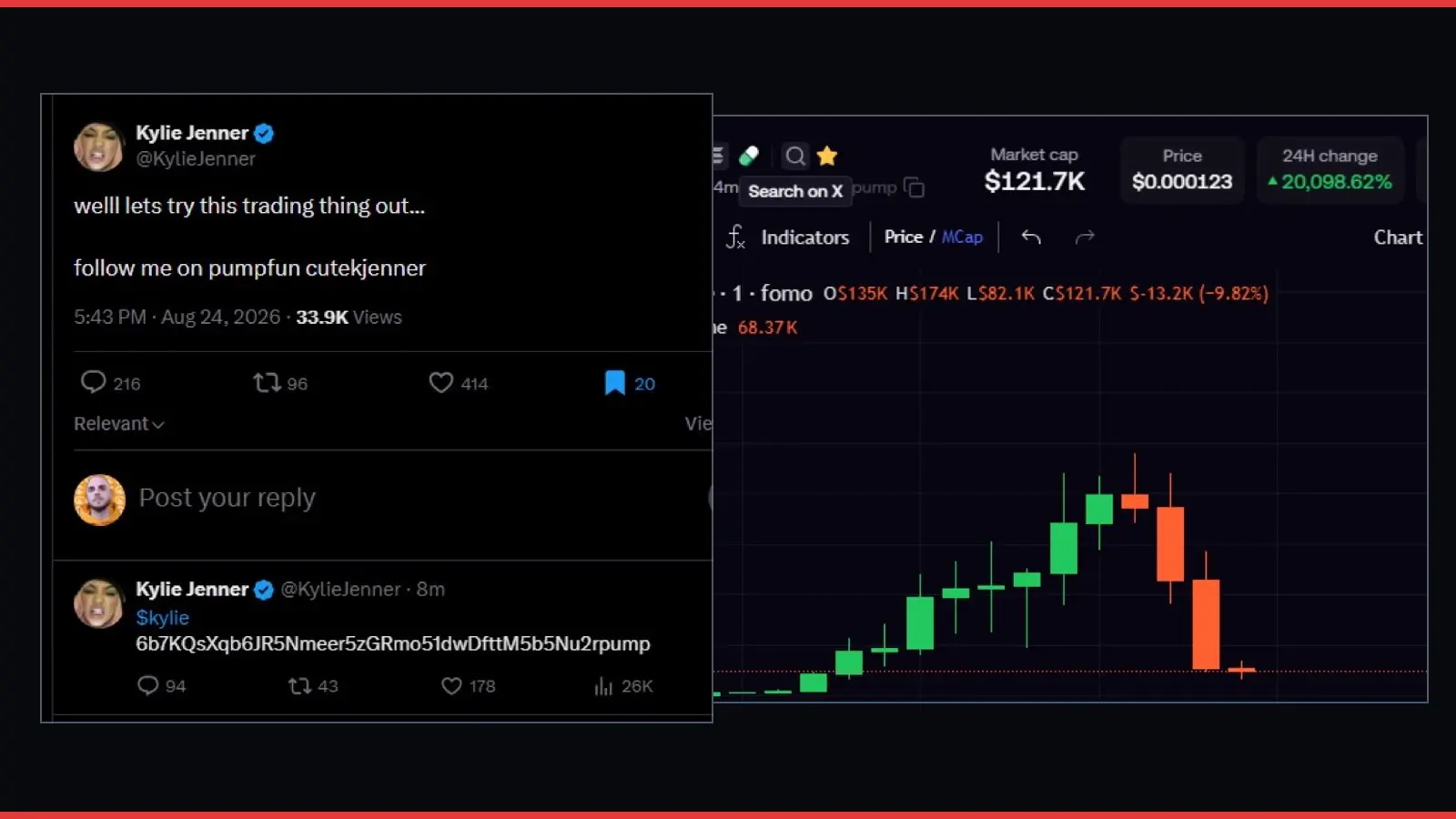
Influencer Scam Coins Return as Kylie Jenner Posts Vanish
A Pump.fun token surged after Kylie Jenner's verified X account posted its address, then collapsed as the posts disappeared. The incident is part of a renewed wave that turns borrowed social-media trust into instant exit liquidity.
Optimum Goes Live: The Solo Validator Gap Behind Faster Blocks
Optimum’s Ethereum launch opens faster block delivery to small operators. Access to MEV timing recommendations and reward reports is a separate question.